Introduction
Agriculture has always been the backbone of human civilization. For centuries, farmers relied on traditional methods, seasonal knowledge, and manual labor to grow crops and raise livestock. However, the agricultural landscape is changing rapidly due to technological innovation, changing climate conditions, and increasing global food demand. Today, modern tools and digital solutions are helping farmers work smarter, increase productivity, and manage resources more efficiently.
The integration of technology into agriculture has opened new opportunities for sustainable farming. From precision agriculture and automated irrigation systems to advanced data analytics, farmers now have access to tools that help them make better decisions and improve crop yields.
The Role of Technology in Modern Farming
Technology plays a crucial role in modernizing agriculture. With the help of advanced tools, farmers can monitor crop health, soil conditions, and weather patterns more accurately than ever before. Sensors, drones, and satellite imagery provide real-time insights that allow farmers to detect issues early and take preventive action.
For example, precision agriculture technology enables farmers to apply fertilizers, pesticides, and water only where they are needed. This targeted approach reduces waste, lowers production costs, and minimizes environmental impact. By using technology to analyze field conditions, farmers can optimize every stage of the farming process.
Data-driven platforms are also becoming essential in agriculture. These platforms collect and analyze information from multiple sources, helping farmers identify trends and plan their planting and harvesting schedules more effectively.
Improving Productivity and Efficiency
One of the biggest advantages of agricultural technology is its ability to improve productivity. With growing global populations, the demand for food continues to increase. Farmers must produce more food while using fewer resources. Modern farming tools help achieve this balance by maximizing efficiency.
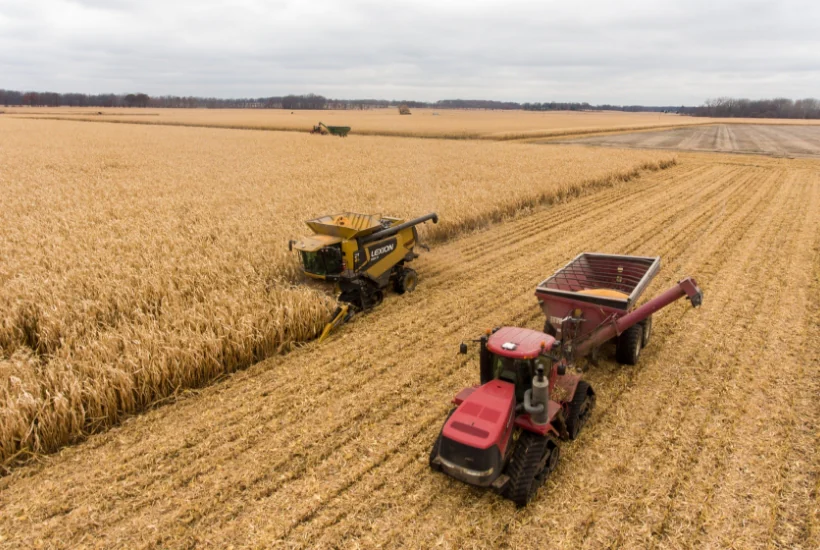
Automated machinery, such as smart tractors and harvesting equipment, reduces the need for manual labor and speeds up farming operations. These machines are capable of performing tasks with high precision, saving time and reducing human error.
Additionally, irrigation systems powered by sensors and artificial intelligence allow farmers to manage water usage more efficiently. Instead of relying on fixed watering schedules, these systems adjust irrigation levels based on soil moisture and weather forecasts. This helps conserve water while ensuring crops receive the right amount of hydration.
Solutions developed by innovative platforms like Genie are also helping agricultural businesses analyze data and implement smarter farming strategies. By combining technology with agricultural expertise, farmers can make informed decisions that support long-term productivity.
Sustainability and Environmental Benefits
Sustainability has become a key focus in modern agriculture. Farmers must balance productivity with environmental responsibility. Technology helps achieve this goal by reducing waste, conserving natural resources, and minimizing the use of harmful chemicals.
For instance, drones are now widely used to monitor crop health and detect pest infestations. Instead of spraying pesticides across entire fields, farmers can target only affected areas. This reduces chemical usage and protects surrounding ecosystems.
Soil monitoring technologies also help farmers maintain soil health. Sensors track important indicators such as nutrient levels, temperature, and moisture. With this information, farmers can adjust fertilization strategies and prevent soil degradation.
Digital agriculture platforms, including solutions like Genie, are also supporting sustainable practices by providing data-driven insights that help farmers optimize resource usage while maintaining high crop quality.
Challenges in Adopting Agricultural Technology
Despite the many benefits of technology in agriculture, adoption can sometimes be challenging. Many farmers face barriers such as high initial costs, limited technical knowledge, and lack of access to reliable internet connectivity in rural areas.
Training and education are essential for helping farmers understand how to use new technologies effectively. Governments, agricultural organizations, and technology providers are working together to provide support programs that help farmers adopt modern tools.
Another challenge is ensuring that technology solutions are accessible to small-scale farmers, who often operate with limited budgets. Developing affordable and user-friendly systems will be crucial for making agricultural innovation more inclusive.
The Future of Agriculture
The future of agriculture will be shaped by continued technological advancement. Artificial intelligence, robotics, and machine learning are expected to play an even larger role in farming operations. These technologies will help farmers predict crop diseases, optimize planting schedules, and improve overall efficiency.
Vertical farming, hydroponics, and climate-controlled agriculture are also gaining popularity in urban environments. These innovative approaches allow crops to be grown in limited spaces while using significantly less water and land.
As agriculture continues to evolve, the combination of technology and traditional farming knowledge will be essential for meeting global food demands. Farmers who embrace innovation will be better positioned to adapt to changing conditions and maintain sustainable production.
Conclusion
Modern technology is transforming agriculture in ways that were once unimaginable. From precision farming tools to advanced data analytics, farmers now have access to solutions that improve productivity, reduce environmental impact, and support sustainable farming practices.
As innovation continues to reshape the agricultural sector, embracing technology will become increasingly important for farmers around the world. By integrating digital tools with traditional farming expertise, agriculture can continue to grow, evolve, and meet the challenges of the future.